
**Our Stories, Our Voices: Oral Histories of Hazara Canadians **preserves and celebrates the lived experiences, memories, and journeys of Hazara Canadians. The recordings are now live and can be accessed here.
The Project Archivist, Marzieh (Baran) Benyasin is a photographer and visual artist based in Toronto. She holds a Master of Arts in Film and Photography Preservation and Collections Management from Toronto Metropolitan University, where her research focused on the preservation, digitization, and cataloguing of photographic collections. Marzieh has written a reflection on the experience of preserving these stories alongside Hazara Heritage, reflecting on what they can tell us about migration, belonging, and the value of community archiving.
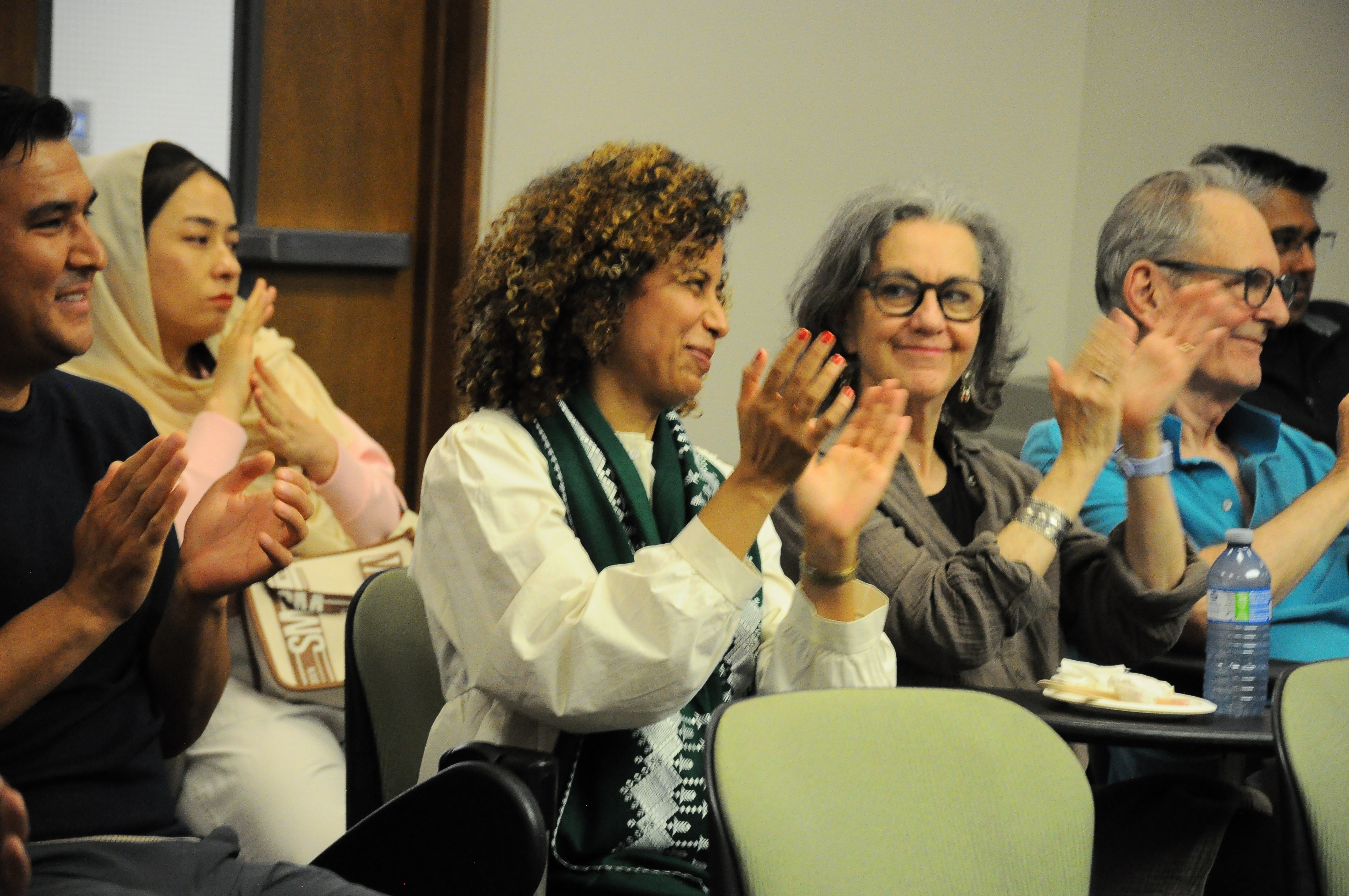
When most people think about archives, they picture shelves lined with carefully labelled boxes, old photographs, and fragile documents preserved for future generations. While those images are familiar, they tell only part of the story. At their heart, archives are about people. Every photograph reflects a moment in someone's life. Every document was created for a purpose. Every recording carries a human voice with its own memories, emotions, and experiences. Behind every archival collection are individuals who hoped their stories, whether ordinary or extraordinary, would not be forgotten.
Some histories are well documented through official records. Others survive almost entirely through memory. For many diasporic communities, memory becomes one of the most valuable forms of cultural heritage. Families move across borders, languages evolve, traditions adapt, and everyday experiences slowly become history. Unless those memories are intentionally preserved, many of them disappear quietly with time. This is why oral history matters. Unlike government records or published sources, oral histories allow people to speak in their own voices. They preserve not only facts, but also emotion, humour, hesitation, reflection, and personal meaning. They remind us that history is not simply a sequence of events. It is a collection of lived experiences, each shaped by memory and perspective.
These ideas stayed with me throughout my work as Project Archivist for the Hazara Oral History Project, a collaboration between the Muslims in Canada Archives (MiCA) and the Hazara Heritage Project. The project documents the experiences of Hazara Canadians through recorded interviews, preserving individual stories while contributing to the broader history of a community whose voices deserve a lasting place in Canada's documentary heritage.
When I joined the project, I expected to spend much of my time working with transcripts, metadata, and digital files.I did. What I did not expect was how often I would pause my work simply to listen. Sometimes I found myself forgetting that I was reviewing a transcript or checking metadata. I was listening to someone describe leaving home, rebuilding life in a new country, holding onto family traditions, or finding a sense of belonging in unfamiliar surroundings. Although every participant's experience was unique, many of those reflections felt deeply familiar to me as an immigrant building a life in Canada. Those moments reminded me that archives are not only places where history is preserved. They are places where people continue to meet across generations.
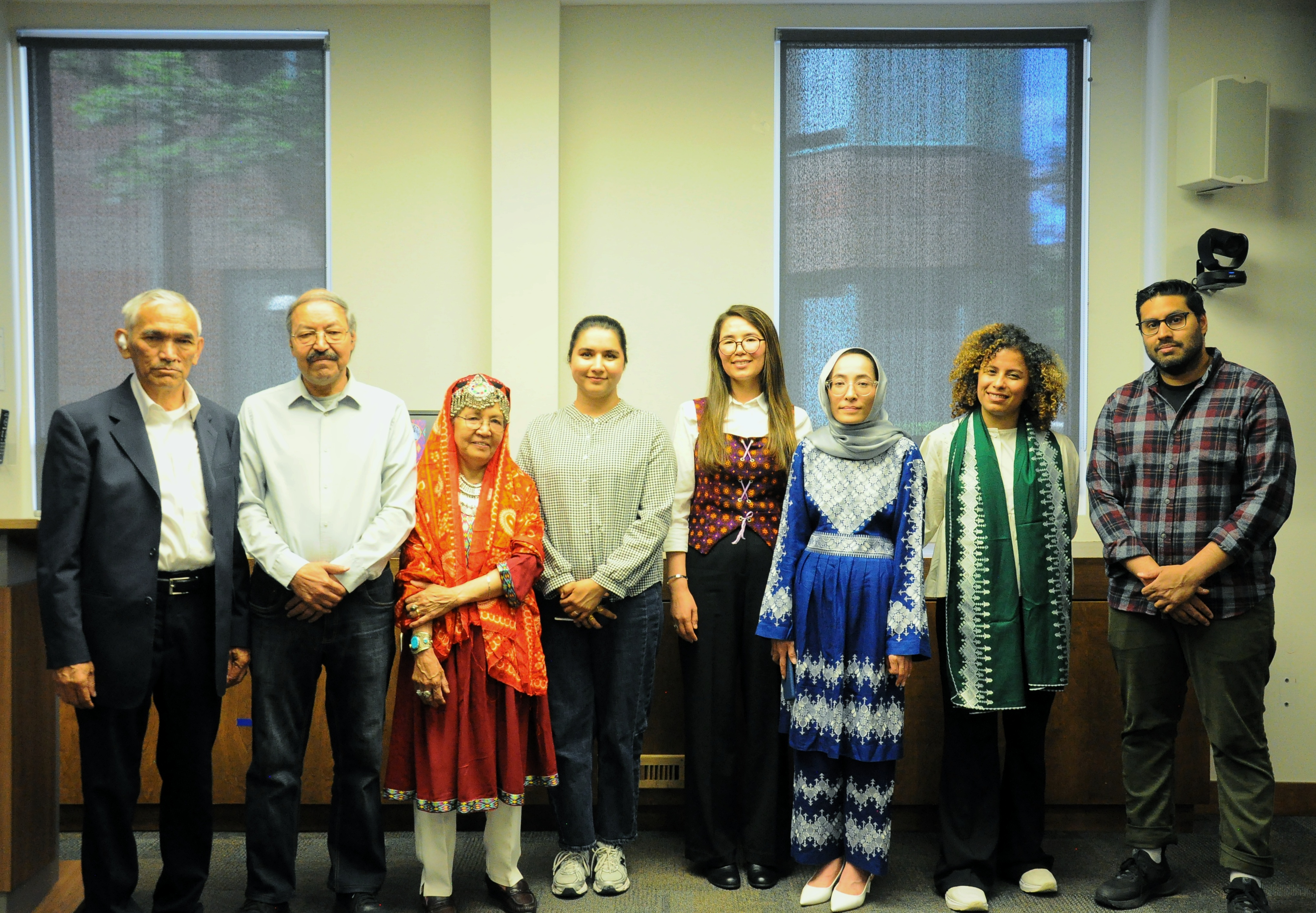
**More Than a Story of Migration **
Public conversations about migration often focus on numbers, policies, and borders. Those conversations are important, but they rarely capture what migration feels like. Migration is deeply personal. It is saying goodbye to places that shaped you while carrying those places into a completely different future. It is learning new routines without letting go of old memories. It is finding ways to build a home while continuing to carry another one in your heart.
These experiences cannot be fully understood through official documents alone. They become visible when people tell their own stories. As I listened to the interviews in this collection, I was struck by their diversity. Each participant followed a different path, spoke with a different voice, and reflected on different moments in life. Some spoke about childhood and family. Others reflected on education, work, faith, identity, community leadership, or the experience of beginning again in Canada.
No two interviews were the same. Yet together they formed something much larger than a collection of individual narratives. They revealed how a community remembers, adapts, and grows across generations. That is one of the remarkable qualities of oral history. Every interview is personal, but when preserved together, individual memories begin to speak to one another. Patterns emerge. Shared experiences become visible. Differences become just as meaningful as similarities. Over time, a collection grows into something far greater than the sum of its parts. It becomes part of a community's collective memory.
Why Community Archives Matter
This project also reminded me why community archives play such an essential role in preserving history. For many years, archives primarily collected records created by governments, institutions, and other formal organisations. Those collections remain invaluable, but they cannot tell every story. Many communities have historically been underrepresented in institutional archives, not because their histories lacked significance, but because their experiences were never systematically collected. Community archives help change that. They create opportunities for communities to participate in preserving their own histories, ensuring that lived experience stands alongside official documentation. This collaborative approach is especially meaningful for diasporic communities.
Migration can interrupt continuity. Families become separated across countries. Languages change from one generation to the next. Important photographs, letters, and personal documents may be lost along the way. Stories often become the strongest connection that remains. Recording those stories helps preserve not only individual memories but also cultural knowledge, traditions, values, and ways of understanding the world. The partnership between the Muslims in Canada Archives and the Hazara Heritage Project reflects this shared commitment.
Professional archival practice provides the knowledge needed to preserve records responsibly for the future. Community members contribute cultural knowledge, lived experience, historical context, and the trust that makes projects like this possible. Neither could achieve the same result on its own. Together, they create an archive that is both professionally sustainable and deeply rooted in the community it represents.
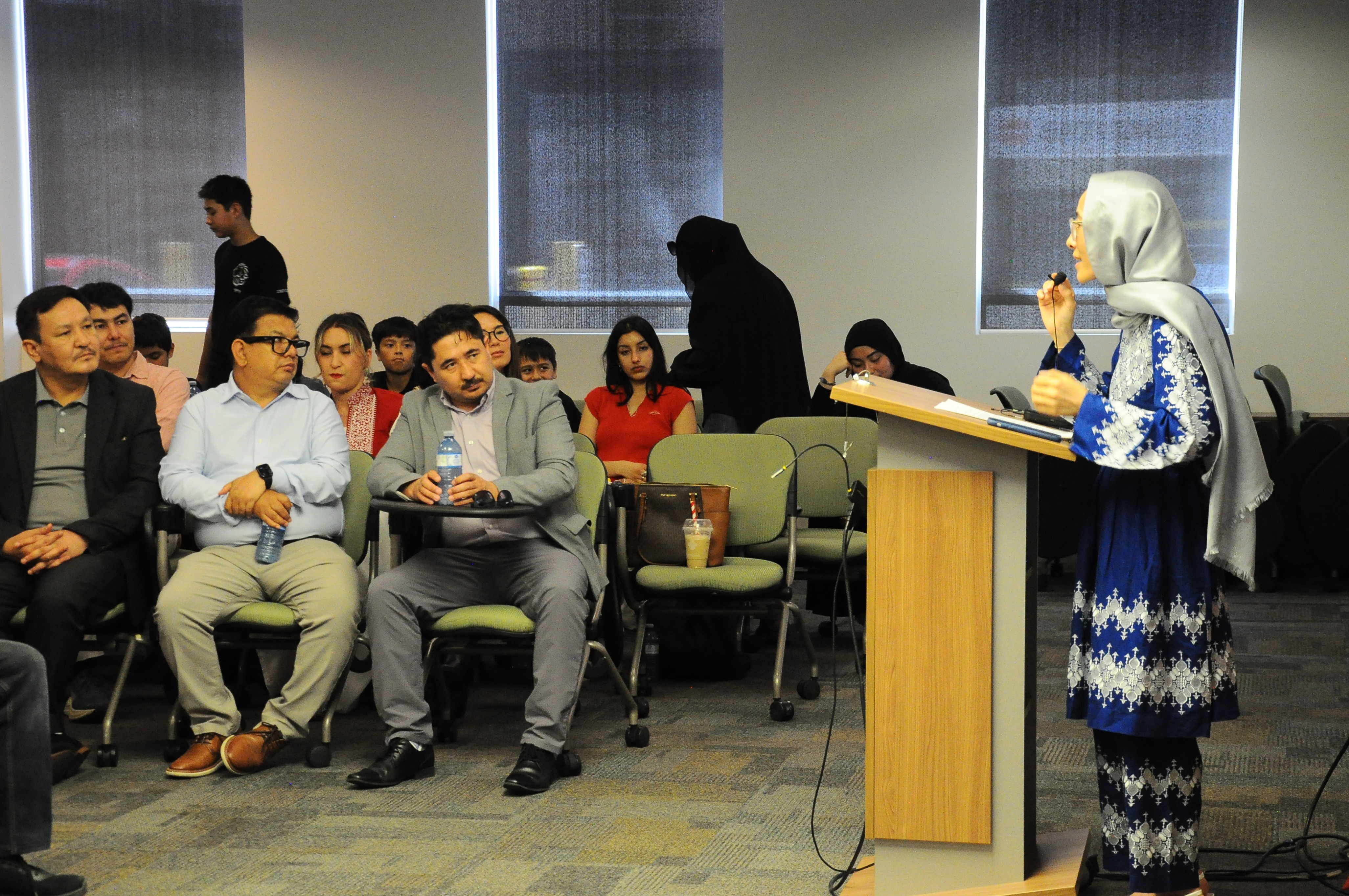
**The Hazara Story in Canada **
The Hazara community has a rich history shaped by resilience, perseverance, and a strong sense of cultural identity. Like many communities that have established new lives in Canada, Hazara Canadians continue to preserve their heritage while contributing to the country's diverse social and cultural landscape. Documenting these experiences benefits far more than a single community. It strengthens Canada's collective memory.
Years from now, researchers may study migration, multiculturalism, Muslim communities, or the history of the Hazara diaspora in Canada. They will certainly consult official reports, government documents, and published research. But they will also need something those records cannot provide. They will need human voices. They will need the memories, reflections, emotions, and personal experiences that explain not only what happened, but what those moments meant to the people who lived them. That is the lasting value of oral history. Every interview preserved today becomes a resource that future generations can continue to learn from, question, and understand in new ways. Knowing this gave every stage of my work an added sense of purpose. Each transcript I reviewed, each metadata record I prepared, and each file I organised represented far more than another completed task. Each one became another doorway into a story that will remain accessible long after the project itself has ended.
**The Work Behind the Voices **
Many people imagine that an oral history project ends once the interview has been recorded. In reality, that is where another stage of the work begins. Before an interview can become part of an archive, it must be carefully reviewed, described, organised, and preserved. Every step helps ensure that the recording will remain understandable, accessible, and usable many years from now.
My role in this project extended across several parts of that process. I reviewed and edited transcripts, prepared descriptive metadata, organised digital files, verified documentation, supported translation work, and helped prepare the collection for long-term preservation and public access. Most of these tasks happen quietly. Visitors exploring an archive rarely think about the work behind a searchable transcript or a well-described interview. They simply type a keyword, open a record, and begin reading or listening. That experience is possible because someone carefully prepared the collection beforehand.
One of the most important parts of my work was creating and refining metadata. Outside the archival profession, metadata is often described as "data about data." While technically correct, that definition barely captures its importance. Metadata gives collections context. It tells future users who participated in an interview, when it was recorded, where it took place, what topics were discussed, what languages were spoken, and how the material can be accessed. It connects interviews with people, places, organisations, and historical events. Without that information, even the most valuable recording can remain hidden. Good metadata does not simply organise information. It makes discovery possible.
The same is true for transcripts. A transcript is far more than a written copy of an interview. It improves accessibility, supports research, makes recordings searchable, and allows future users to engage with the material in different ways. For multilingual collections such as this one, transcripts and translations also help bridge linguistic and cultural boundaries, allowing the collection to reach a much broader audience. Preparing these materials requires technical accuracy, but it also requires careful judgement.
Every interview presents small editorial decisions. Should repeated words remain exactly as spoken? Should grammatical inconsistencies be corrected? How can clarity be improved without changing the narrator's voice? There is rarely a single correct answer. The goal is not to create a perfect script. The goal is to preserve an authentic voice while making the interview accessible for future listeners, readers, and researchers. That balance is one of the most thoughtful aspects of archival work.
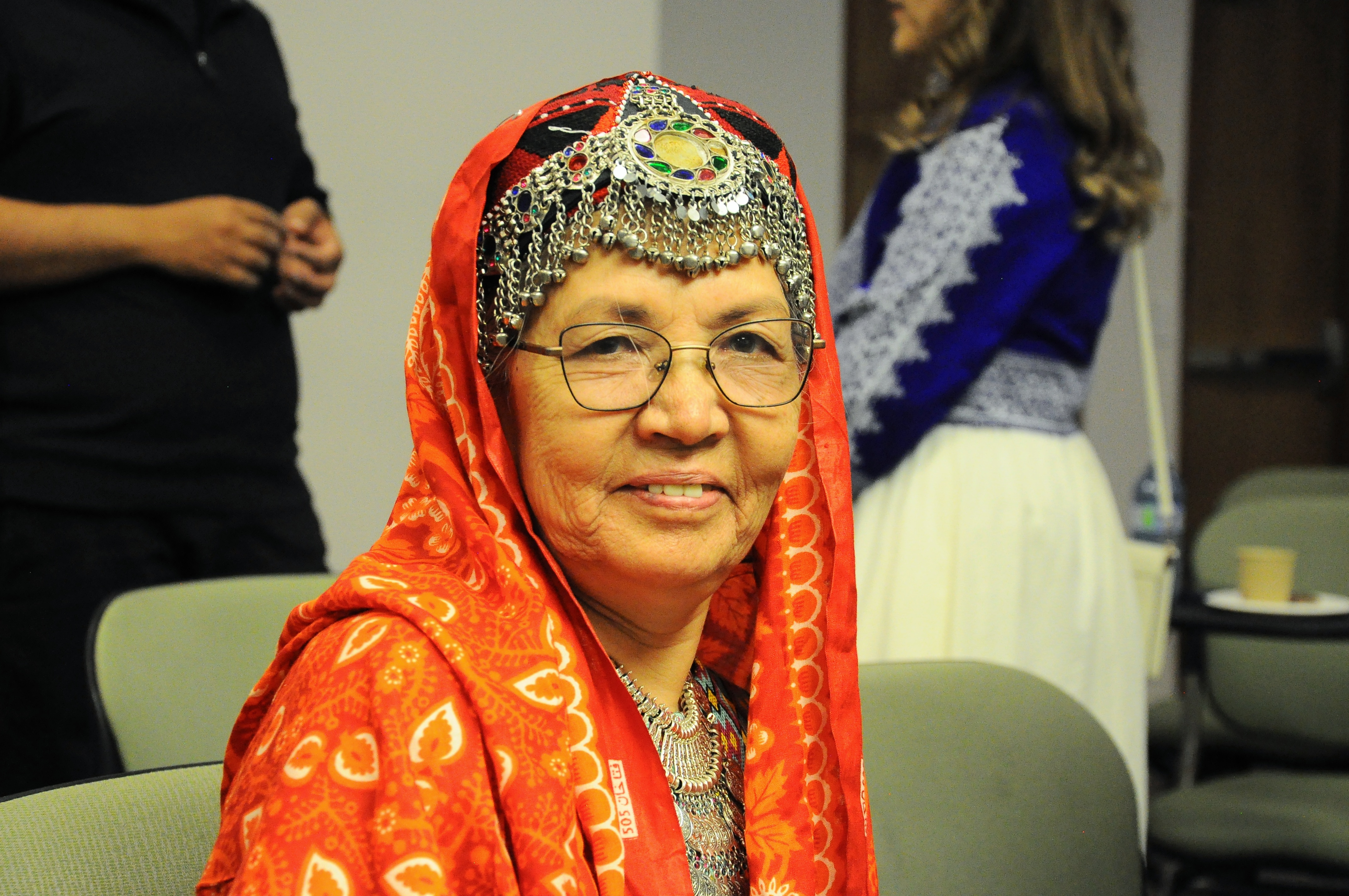
**Learning to Listen as an Archivist **
This project also changed the way I think about listening. As a former photojournalist, I learned to observe carefully and to recognise the importance of individual stories. Journalism taught me to document the present and to understand that every person carries a unique perspective. Archival work asks a different question. It asks how those perspectives can remain meaningful decades from now.
While reviewing interviews, I often found myself imagining future users of this collection. Perhaps a student researching migration in Canada. Perhaps a historian studying community archives. Perhaps a member of the Hazara community hoping to hear the voice of a relative or to better understand the experiences of an earlier generation. Thinking about those future audiences changed the way I approached even the smallest tasks. A date was no longer just a date. A place name became part of a larger historical record. A subject heading became a pathway that might help someone discover an interview years from now.
The work became less about organising files and more about creating meaningful connections between people, knowledge, and memory. That perspective transformed the way I understand archives. They are not static collections waiting to be visited. They are living resources that continue to create new conversations every time someone discovers a story, asks a question, or recognises a part of their own experience in someone else's words.
Marzieh (Baran) Benyasin is an archivist, photographer, and visual artist based in Toronto. She holds a Master of Arts in Film and Photography Preservation and Collections Management from Toronto Metropolitan University, where her research focused on the preservation, digitization, and cataloguing of photographic collections. Her professional experience spans archives, museums, libraries, and community-based heritage initiatives. She has worked with organizations including the Muslims in Canada Archives (MiCA), Toronto Metropolitan University Special Collections, the Museum of History and Society of Ontario, and MuseumPros Art Services. Her work focuses on archival description, metadata, oral history preservation, digitization workflows, and improving access to underrepresented histories. Alongside her archival practice, Baran is an award-winning photographer and multidisciplinary artist whose work explores memory, identity, migration, and cultural heritage. She is passionate about preserving community histories and making archival collections more accessible through thoughtful documentation, research, and public engagement.
Photography by Reza Basirzadeh.